A shot doesn’t need to be perfect to count as a good one. Landing an approach from 140 yards within five feet earns universal approval, but settling for 20 feet from the same distance is still better than what PGA Tour pros average. The same goes for a 20-yard bunker shot that finishes 10 feet from the cup.
This idea, often called expectation management, matters whether you’re watching tour pros on TV or playing your own local course. Golf data analyst Lou Stagner, who leads golf data insights at Arccos, explains that frustration usually stems from a skewed sense of what a “good” shot actually looks like.
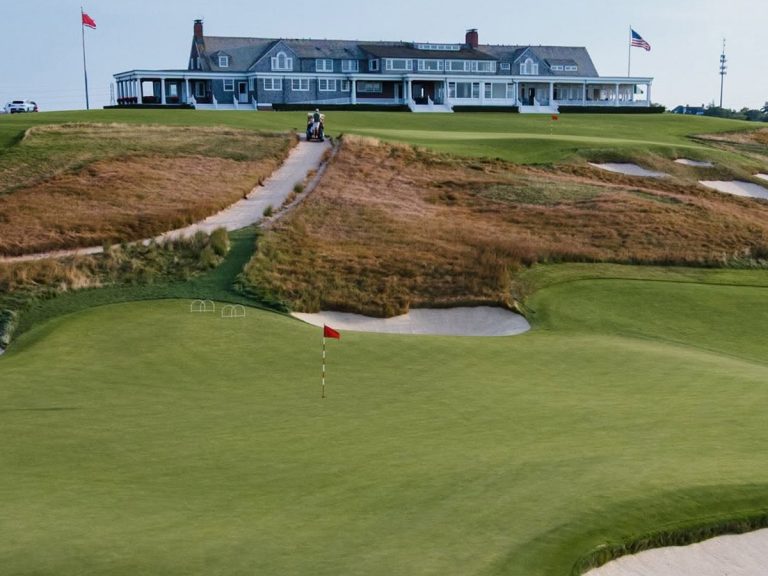
Recognizing that a shot landing 16 feet away from 100 yards is genuinely solid, rather than disappointing, helps golfers stay level-headed and play better. To illustrate the point ahead of the U.S. Open, two golf editors played Shinnecock Hills under near-tournament conditions, and their shots were measured against statistical benchmarks.
Both players are close to scratch level, well above the average golfer, but they faced a brutal test: thick rough, swirling wind, and a course that played over four strokes above par during the 2018 U.S. Open. Context matters, and the bar for a “good shot” is often lower than people assume.
Shot 1: The Tee Shot
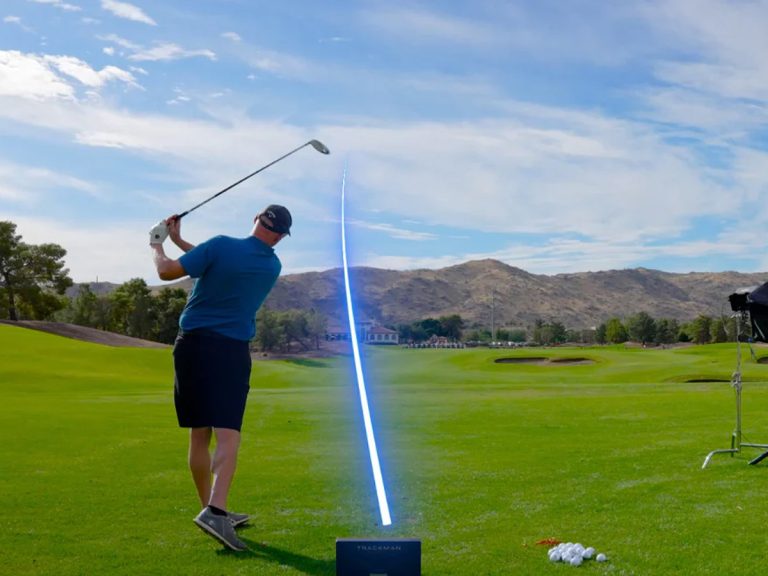
On a par-4 ninth hole, one editor’s 285-yard drive came in shorter than both the PGA Tour average and the tour’s longest hitter, who averages well over 300 yards. Still, given the headwind, it qualified as an excellent drive.

Arccos data show that recreational golfers generally overestimate their own distance off the tee. A scratch golfer averages around 261 yards, and a five-handicap golfer averages around 249 yards. The editor noted that the strong wind, combined with the course’s punishing roughness, made it hard to swing freely.
Shot 2: Escaping the Rough
Many assume that a short iron or wedge from the rough should land on the green every time, but tour data says otherwise. Pros only hit the green from the rough at that distance roughly 60 percent of the time, and Shinnecock’s five-inch rough over a sandy base made it tougher still.

One editor described his lie as feeling more like a buried egg than a clean shot, forcing him to club up just to escape.
Shot 3: The Par-3 11th
Sometimes called “the shortest par 5 in golf” by Lee Trevino because of its severely tilted green, the 11th hole can range from 130 to 160 yards.

Playing it from the shorter distance, one editor’s approach landed 35 feet away, technically an average result for a scratch golfer, though still nine feet off the tour average. Given the green’s contours, the result was better than the raw number suggests.
Shot 4: Out of the Bunker
The gap between tour pros and average golfers may be widest around the greens, especially in bunkers. From 10 to 15 yards out, pros average about 11 feet of proximity to the hole, while scratch golfers average more than double that.

Against that backdrop, a 15-foot result from the sand was a strong outcome. One editor noted that while the sand itself wasn’t difficult, precise landing spots mattered more there than almost anywhere else he’d played.
Shot 5: Lag Putting
At a U.S. Open, success often comes down to avoiding three-putts rather than draining long birdie putts. A 40-foot putt that misses by three feet isn’t a letdown; it actually beats the tour average.

Wind added another layer of difficulty at Shinnecock, where one editor said the constant gusts made putting feel like guesswork, and a downwind putt that stopped within five or six feet felt like a stroke of luck.
READ NEXT
- U.S. Open 2026: What counts as a ‘good’ shot at Shinnecock?
- Scottie Scheffler says US Open will not define his Grand Slam chase
- Brooks Koepka withdraws from Canadian Open with hand injury
- Collin Morikawa returns to action at the RBC Canadian Open
- 17-year-old Miles Russell has officially qualified for the US OPEN